Is Ultherapy in Korea Real? The Machine-Substitution Trick, Counterfeit Transducers, and the Foreigner Price
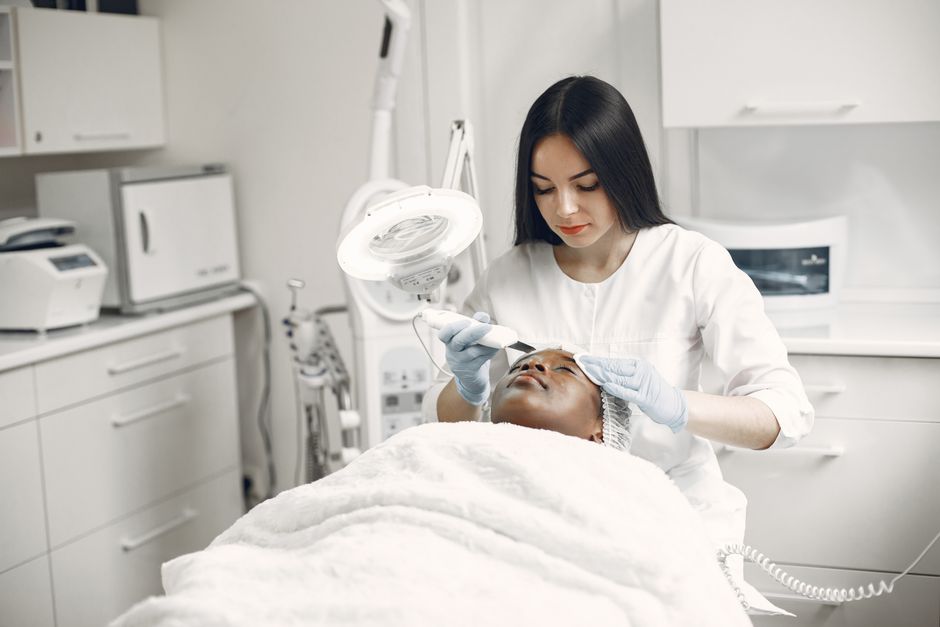
Photo: Pexels / Gustavo Fring
You booked "Ultherapy" at a Gangnam clinic, wired a deposit, and now you're a few Reddit threads deep wondering whether the machine that actually touches your face will be Ultherapy — or a Korean HIFU device that costs the clinic a fraction of what you're paying. That instinct is right. In Seoul, "Ultherapy" gets used the way people say "Kleenex," and the gap between the real thing and a substitute is almost invisible from the patient chair. Here's how I tell them apart, and what to ask before you lie down.

What Ultherapy actually is — and why "HIFU" isn't the same word
Ultherapy is one specific machine, made by one company: Merz Aesthetics, out of the US. It uses micro-focused ultrasound to heat tissue to roughly 60–70°C at fixed depths, which over the following months prompts new collagen and some lift. The thing that separates it from every competitor is an ultrasound imaging screen — the doctor can see your tissue layers and aim before firing a single line.
"HIFU" is the umbrella term: high-intensity focused ultrasound. Ultherapy is HIFU, but so are a dozen Korean machines — Shurink and Shurink Universe (Classys), Ultraformer III and Ultraformer MPT, Doublo, Liftera, Sofwave. Most of those are legitimate, KFDA-cleared devices that make plenty of people happy. None of them is Ultherapy. So when a clinic says "Ultherapy," the honest question isn't "is HIFU safe" — it's "which exact machine is in the room."
"Ultherapy" is a brand, not a category — the substitution
This is the trick I see most. Korean HIFU full-face packages run from about ₩108,900 to ₩490,000. A genuine Ultherapy full face runs roughly ₩1.2M to ₩3.5M depending on shot count. That spread — sometimes 5–10× — is exactly why substitution happens. A clinic that books you for "Ultherapy" and sits you under a Shurink keeps the difference, and you'd never know.
Shurink and Ultraformer are fine machines. The problem isn't the device — it's paying an Ultherapy price for a ₩300,000 Shurink session and not knowing it. So ask, in writing, for the device's full name and model. The current genuine model is "Ultherapy PRIME." "Shurink Universe" is not Ultherapy, no matter what the booking page said.

The one tell nobody mentions: the imaging screen
Genuine Ultherapy shows your tissue on a screen, and the clinician aims using that live picture. Almost no Korean HIFU competitor has imaging — they fire blind to a preset depth. So the simplest verification in the room costs you one sentence: "Can you show me the imaging screen on my face before you start?" If there's no screen displaying your actual tissue layers, it is not Ultherapy. That single question does more than any certificate on the wall.
Counterfeit and refurbished transducers
There's a second problem layered under the first. In 2025, Merz Aesthetics went public across Asia about counterfeit and refurbished transducers — the disposable tips that deliver the energy — turning up in clinics. This matters because a fake or worn transducer delivers energy at inconsistent depths, and ultrasound aimed too shallow or too hot burns the skin. That's not a cosmetic risk; that's a scar risk.
Merz now runs an authenticity program: every genuine transducer carries a QR code you can photograph and verify on the official site, and authorized clinics receive a certificate to display. You're allowed to ask to see the transducer's QR before it goes near you. A careful clinic will show you without blinking. A clinic that gets cagey about which exact tip it's using has answered the question.
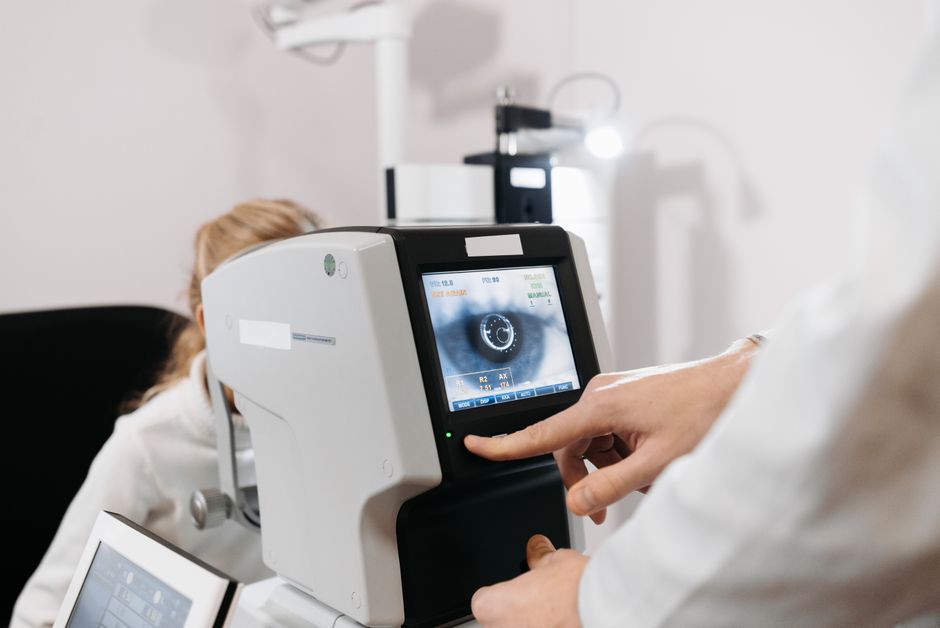
The depth that actually lifts — and the one that gets skipped
Ultherapy fires at three depths through different transducers: 1.5mm (shallow, fine lines in the dermis), 3.0mm (the mid layer), and 4.5mm — the SMAS, the same layer a surgeon tightens in a facelift. The 4.5mm is the one that produces the actual lift. It's also the one that hurts most.
So here's the quiet version of getting shortchanged: a clinic skips the 4.5mm line, or fires very few there, to keep you comfortable and the appointment short — and you pay for a "lift" that was mostly shallow tightening. I'm not telling you which depths you need; that's the doctor's call for your face. I'm telling you to ask which depths they'll use on which areas, and why, so the answer is a plan and not a shrug.
Shot count: what 600 lines buys
Full-face Ultherapy is quoted in lines or shots — 600 is a common full-face number, with the real range running from 300 to about 1,200. One Seoul clinic's published price list shows 300 shots at ₩1,940,000 and 600 shots at ₩3,590,000, which tells you the line count is most of the bill.
More lines isn't automatically better — it's coverage, and coverage should match your face. But the trap is the reverse of the Thermage one: a suspiciously low "Ultherapy" quote usually means a low shot count, a substituted machine, or both. Get the number in writing, and get the depths next to it.

The foreigner price, and what's fair
Some Seoul clinics genuinely charge foreigners the same as Korean walk-ins for this, and a few even say so up front. But the markup creeps in through the bundle and the "today-only" line at the counter. Reference points to anchor yourself: a Korean HIFU eye-area session of 100 shots runs around ₩130,000; a genuine full-face Ultherapy sits in that ₩1.2M–₩3.5M band. If you're quoted ₩2M for "Ultherapy" and the device turns out to be a Shurink, you've paid an Ultherapy price for a treatment that lists at a few hundred thousand won.
This is the whole reason we quote the way we do at Kuratio — the device named, the shot count and depths itemized, the concierge fee on its own line, and zero clinic commission baked into the number. You should be able to see exactly what you're buying before you decide it's worth it.
Talk to Kuratio: tell us what you're considering on WhatsApp and we'll come back with vetted clinic options and an itemized quote — no markup, no commission.
The questions that catch a careless clinic
- What's the exact device name and model — Ultherapy PRIME, or a HIFU machine like Shurink or Ultraformer?
- Can you show me the imaging screen on my own tissue before you begin?
- Can I see the QR code on the transducer you'll use?
- How many lines, at which depths — including the 4.5mm SMAS?
- Is this the same price a Korean walk-in pays?
A clinic that answers all five plainly is one I'd trust with your face. A clinic that dodges the first two has already told you what it's selling.
Kuratio is not a medical provider. All clinical decisions are made by the treating physician at the partner clinic. This guide is general information, not medical advice.